Hypnosis Sales Funnel Builder: From First Interest to Booking
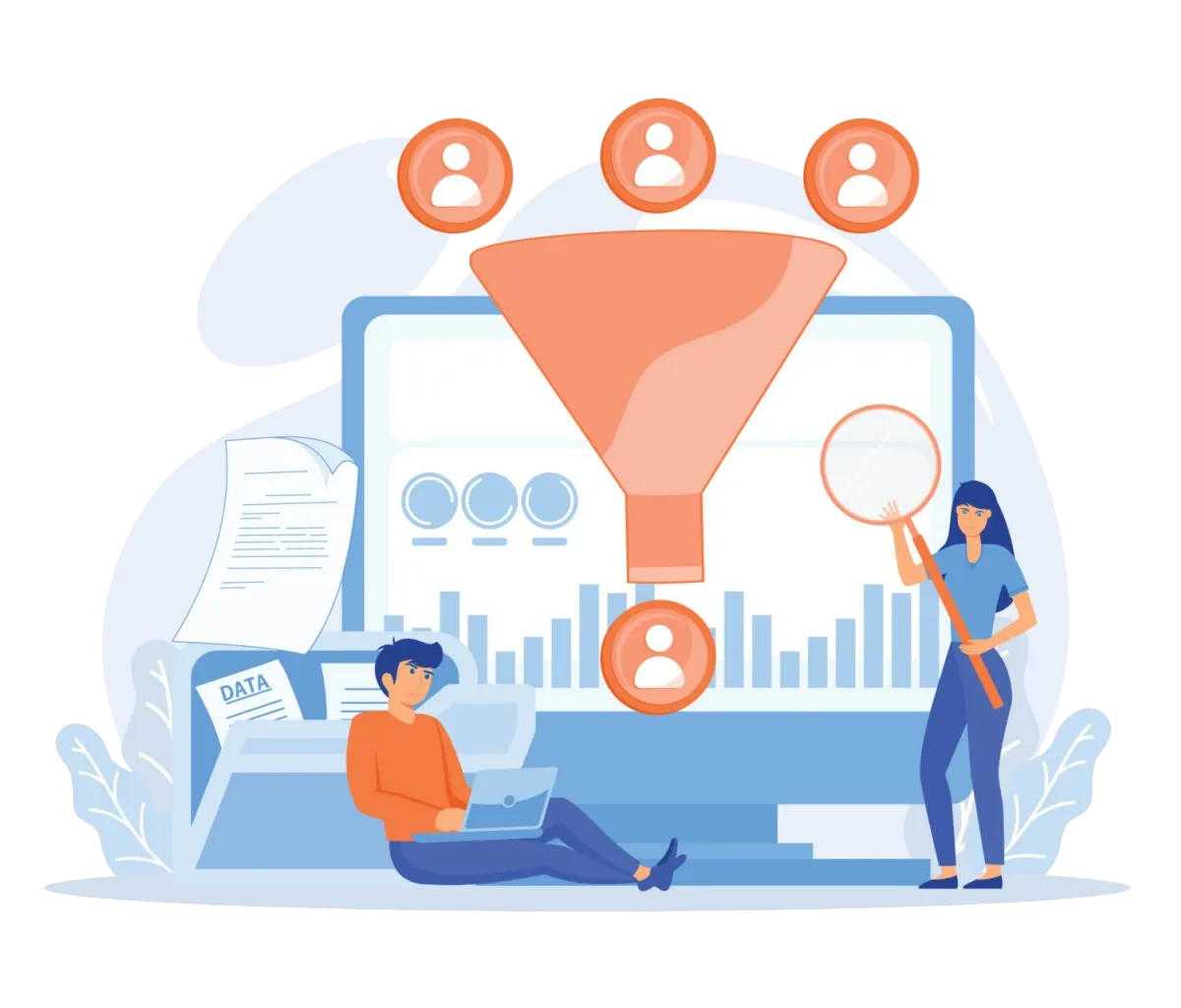
A hypnosis sales funnel is a clear path from someone's first interest in your practice to an appropriate next step. A funnel builder provides pages, forms, and connections that help you create that path. It does not guarantee that a fixed percentage of visitors or inquiries will become clients.
For a hypnotist, a useful funnel starts with a relevant offer and a helpful experience. This guide walks through a simple resource-to-conversation funnel you can build, test, and improve.
Choose one starting offer
Decide what the visitor is asking for. It could be a self-hypnosis audio, a short guide, a workshop place, or an introductory conversation. Match the offer to the people you want to help and make the benefit clear.
A resource download and a booking are different actions. Someone who requests an audio has not necessarily decided to become a client. Design the follow-up around the request they actually made.
Build a focused landing page
Explain who the resource is for, what it includes, and how to receive it. Identify your practice and provide enough context for a visitor to decide whether it is relevant.
Keep the form appropriate to the request. A resource download usually needs fewer details than a client intake. Explain what communication the person is signing up for and make the next step easy to understand.
HBB's hypnosis website templates can provide a starting point for the page. Personalize the content for your own audience and offer.
Make the confirmation page useful
After a person submits the form, tell them what happened. Explain how to access the resource and where to look if an email is involved. Provide a way to contact your practice if something goes wrong.
You may offer an optional next step, such as learning about your service or booking an introductory conversation. Keep the resource available as promised and avoid making the person complete an unexpected purchase to receive it.
Write a relevant welcome sequence
Start by delivering what the person requested. Follow with a small number of useful messages that answer natural questions about the topic, your approach, and the next step.
Delivery: Send the resource and explain how to use it.
Context: Answer a common question or clarify an important expectation.
Invitation: Explain who a conversation would be useful for and how to book.
Use your own voice, provide an easy way to reply, and respect the person's communication preferences. Stop or adjust the sequence when they book, decline, or ask not to hear from you.
Lead follow-up automation can support these steps after the messages, delivery settings, and triggers are configured.
Connect the booking and client record
When someone wants to talk, make the booking route simple. State the appointment's purpose, duration, format, and any cost. Check availability and time zones before sharing the link.
Connect appointment booking with your client management workflow so you can review the inquiry and communication in context. A booking should update the relevant follow-up so the person does not keep receiving invitations to an appointment they already scheduled.
Test the complete funnel
Open the landing page on a phone.
Submit the form using details you control.
Check the confirmation page and resource delivery.
Read the welcome messages and test their links.
Make a test booking and check the calendar entry.
Confirm that the contact record and follow-up reflect the booking.
Test how someone can unsubscribe or contact you.
Fix missing messages, duplicate records, unclear wording, and broken links before sending more visitors into the funnel.
Measure each stage separately
Track page visits, completed resource requests, booked conversations, attended conversations, and new clients. Define the period and audience you are measuring so comparisons are meaningful.
If many people request the resource but few book, review whether the invitation fits their original interest. If bookings are made but attendance is low, check confirmations and reminders. If visitors do not request the offer, review the page, relevance, and traffic source.
No universal conversion percentage describes every hypnosis funnel. Measure your own results and change one important variable at a time.
Frequently asked questions
Does every hypnosis practice need a free resource funnel?
No. A direct booking page, referral process, or workshop registration may suit your offer better. Choose the simplest path that helps the intended client move forward.
Can a funnel builder guarantee clients?
No. It provides tools for pages, forms, and connected communication. Results also depend on your audience, offer, traffic, and implementation.
What should I build first?
Build one complete path and test it before adding more offers or automation. Our hypnosis marketing plan can help you choose the starting point.
See how the pieces connect
Watch the HBB demo to see pages, booking, records, and follow-up together. For help building the message and client journey around your practice, explore Foundations to Scale.


